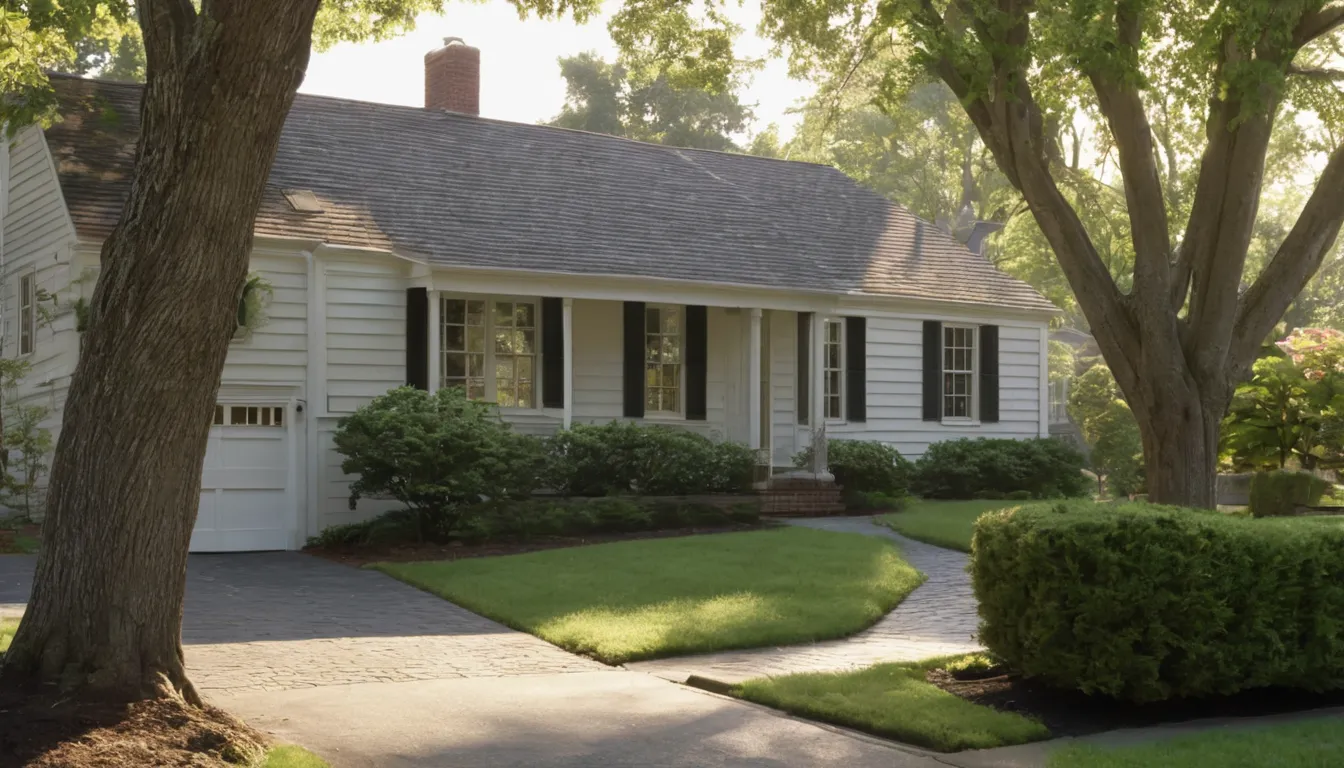
Residential Tree Removal in Laytonsville
A smaller tree does not necessarily mean a simpler job. Access, nearby structures and cleanup all matter. Sheettip Tree Service connects you with independent local providers so you can discuss your tree, request an assessment and ask for a written quote that explains the proposed work.
- Discuss access before settling on a price
- Ask what happens to leftover wood
- Flag older structures and past repairs
- Request a written scope
Sheettip Tree Service Is Proud To Serve the Laytonsville area
Start with the risk, then the quote
If a tree has split, shifted toward your house or dropped a large limb, keep people and pets away from the affected area. Do not walk underneath it to get a closer photo. A tree touching a power line needs attention from the utility; stay clear of the tree and anything touching it.
For a planned removal, the first question is often about price. That makes sense. But a number without a description of the work leaves too much open. Does it include lowering branches over the roof? Hauling the trunk away? Grinding the stump? Those are separate details worth settling before an appointment becomes a booked job.
Sheettip Tree Service is a referral service for homeowners in Laytonsville and across the Laytonsville area. We connect you with independent providers who assess the tree and explain their proposed approach. The provider sets pricing and scheduling and performs the work.
Request a callback to check provider availability and discuss the project. Mention whether the tree is standing, damaged or already down, and whether it is close to a building. Those details help start a useful conversation without expecting you to diagnose the tree yourself.
Clearer Connections
A referral starts the conversation
Some homeowners expect the name on a tree service website to be the company arriving at the property. Here, the arrangement is different. Sheettip Tree Service connects homeowners with independent local providers. The provider discusses the job with you, decides whether it fits their services and arranges any assessment. Questions about equipment, work methods, payment or the appointment belong with that provider.
You can start with a simple description. Explain what concerns you, where the tree stands and what you want the yard to look like afterward. You do not need to know the tree species or estimate its weight to make a request.
Size tells only part of it
Two trees of similar height can need very different removal plans. An open lawn may allow easier equipment access. A narrow passage beside an older house may mean smaller equipment, more handling or careful lowering of sections. A nearby roof, fence or neighboring property can also affect the approach.
Tree condition matters too. A provider needs to assess damaged or decayed wood rather than price the job from height alone. Photos can support the first discussion, but they may not show hidden damage or enough detail to settle a quote.
Read what the number includes
A useful written quote names the tree, describes the agreed work and states the price. Ask whether branch cleanup, log hauling and stump work are included. If wood stays on the property, agree where it will go and how it will be cut.
For an older home, mention repaired paving, basement window wells, fragile walls and any known buried services near the proposed work area. The provider can discuss access and surface protection before equipment arrives.
Also ask how changes are handled if the assessment reveals a complication. A clear process for approving extra work is more useful than assuming the first number covers every possible surprise. Keep the accepted quote so you and the provider can refer to the same scope. That gives you a practical basis for comparing proposals and checking what was agreed.
Local Access Changes Things
Looking for tree removal in Laytonsville? Sheettip Tree Service accepts requests from homeowners across the Laytonsville area. Availability depends on your address, the type of work and the provider's schedule. Request a callback to check whether a local provider can assess your project and discuss an appointment.
It is easy to assume that nearby properties present similar jobs. In practice, the route from the street to the tree can change the plan. A split-level home might have a sloping side yard. A colonial may have a narrow drive beside an older foundation. Rowhouses can have rear yards reached only through a shared passage.
Describe those features when you make contact. Include gate width if you know it, steps along the route and any parking restrictions. Mention shared access rather than assuming equipment can cross a neighbor's land. The provider should discuss what access is needed and what permissions must be arranged.
Seasonal conditions also belong in the conversation. Humid summers, saturated soil after a nor'easter and repeated winter thawing can affect ground conditions. A provider can assess whether the planned route suits the equipment and the property at the time of work.
If the project is not urgent, use the estimate form to explain your preferred appointment timing. Include your location and a short description of the tree and access.
Older Yards Deserve Specific Questions
Close does not mean doomed
A tree near an older house is not automatically a removal job. Describe the concern instead of deciding from distance alone. A local provider can assess the proposed work and explain whether removal fits the situation. If you want to explore keeping the tree, say so early.
Repairs belong in the discussion
A patched driveway or rebuilt garden wall may look solid while hiding a sensitive spot. Mention past repairs before the provider chooses an equipment route. Photos and records can help explain what changed, especially when the repair is below the surface or partly hidden by planting.
Roots need careful interpretation
Visible roots do not prove that a tree caused a basement leak or a cracked pipe. Older properties may also have aging cast-iron or galvanized plumbing. Keep tree removal and plumbing diagnosis as separate questions. Ask the appropriate professional to establish the cause before treating removal as the solution.
A stump is separate work
Cutting down a tree does not necessarily include stump grinding. Ask whether grinding is quoted, how deep the provider proposes to grind and what material remains afterward. Explain if you want to plant, lay turf or use the space for another purpose; those plans affect the discussion.
Debris has a destination
A quote that says cleanup can still leave room for different expectations. Ask about branches, trunk sections, sawdust and grinding material. If you want to keep logs, agree on their size and location. If you want them hauled away, make sure that task appears in writing.
Storm damage changes the assessment
A tree resting on a roof or another tree is not just a routine removal lying sideways. Keep away and describe what you can see from a safe place. Emergency tree removal and storm tree clearance depend on the damage, access and provider availability. Avoid moving branches to reveal hidden damage.
Protection needs a practical plan
Older siding, porch steps, basement windows and masonry deserve a specific conversation. Ask where equipment would travel, how sections would be lowered and what surface protection the provider proposes. Discuss existing damage before work begins. A clear record helps distinguish the property's starting condition from the finished job.
Describe Your Project
Request a callback to check provider availability and request an appointment discussion. Share your address, the tree's condition and any tight access or nearby structures. Mention whether you also want stump grinding and wood hauling included in the quote.
Sheettip Tree Service connects you with independent providers; the provider confirms assessment arrangements, pricing and scheduling. If you prefer to send the details in writing, use the estimate form. You can explain your concerns without guessing the right removal method or committing to a scope before discussing it.
Need help in Laytonsville?
Request a callback to discuss your tree removal project and check provider availability. Prefer to write it down? Use the estimate request form.
No obligationQuestions Before You Accept a Quote
How do I get an accurate tree removal estimate in Laytonsville?
Describe the tree, access and nearby structures, then ask a local provider whether a site assessment is needed. Photos may help, but they cannot show every condition. Request a written quote that separates removal, hauling and stump work. Compare the tasks included, along with the price, and ask how the provider handles any proposed changes before approving the job.
Does Sheettip Tree Service do the tree removal work?
No. Sheettip Tree Service is a referral service that connects homeowners with independent local tree removal providers. The provider assesses your project, sets the price, arranges the appointment and performs the agreed work. Confirm the provider's identity and direct questions about methods, payment and scheduling to that business before accepting a quote.
Is stump grinding included when a tree is removed?
Not necessarily. Some removal quotes cover only the tree above ground and specified debris removal. Ask the provider to list stump grinding separately or state clearly that it is included. Confirm the proposed grinding depth and who handles the material left behind.
What should I do if a storm leaves a tree leaning over my house?
Keep people and pets away from the affected area. If there is danger to life, contact emergency services. For trees touching power lines, stay clear and notify the utility.
Is a tree falling service the same as tree removal?
People may use tree falling service to mean felling or removing a tree. The wording alone does not describe the full job. Ask whether the quote includes cutting the tree in sections, lowering branches, hauling wood and addressing the stump. The provider determines the suitable method.
Why Choose Sheettip Tree Service?
Helping homeowners connect with local tree removal providers and understand what belongs in a written quote.
Describe Your Tree
Explain its location, visible condition, and your reason for removal, including concerns about nearby structures or access.
Request a Local Provider Appointment
Discuss availability with a provider and arrange an assessment suited to your tree removal project.
Read the Quote
Check the identified tree, removal approach, hauling arrangements, exclusions, and payment terms before accepting work.
Confirm the Property Plan
Agree on access, preparation, and expected cleanup with the provider before the scheduled removal work begins.
Project Options
Residential Tree Removal covers planned removal of standing trees. Stump Grinding addresses the stump left behind. Emergency Tree Removal focuses on damaged or fallen trees that need urgent assessment. Providers in our network discuss the services your property needs, including storm tree clearance where available. Confirm each part in the quote.
 Residential Tree RemovalSheettip Tree Service connects homeowners with independent local providers for residential tree removal, with practical help understanding the proposed work.
 Stump GrindingStump grinding clears an awkward yard obstacle, but the quote should explain what stays underground and what gets hauled away.
 Emergency Tree RemovalWhen a tree falls or threatens your home, keep your distance and ask a local provider about removal.
Reach a local provider
Request a callback to discuss your tree removal project and check provider availability. Prefer to write it down? Use the estimate request form.
No obligation